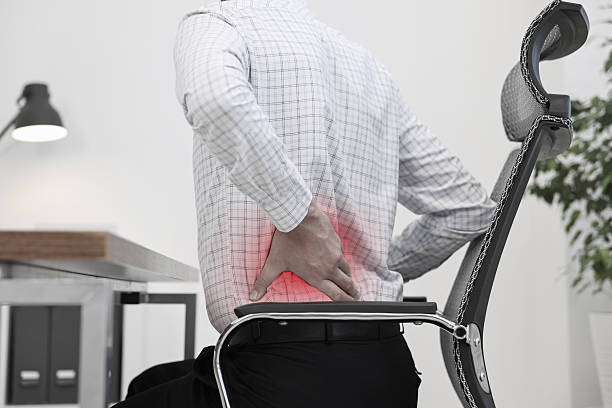

Poor posture and back pain often come up together, especially among people who spend long hours sitting at a desk, working on a computer, driving, or looking down at a phone. Over time, these habits may contribute to discomfort, stiffness, or difficulty moving comfortably.
But does poor posture automatically cause back pain? Not necessarily. Back pain can have several contributing factors, and research does not establish that one particular spinal posture is the cause of every case. The amount of time spent sitting, physical activity, previous injuries, and individual health circumstances can also matter.
Understanding the relationship between posture and back pain can help you make practical changes to your daily routine. If discomfort persists or begins to interfere with everyday activities, a professional assessment can help identify possible causes and appropriate treatment options.
What is Poor Posture?

Posture describes how you position your body while sitting, standing, lying down, or moving. It can be static, such as sitting at a desk, or dynamic, such as walking, bending, and lifting.
The spine has natural curves that help support the body during everyday activities. Comfortable posture allows you to perform those activities without unnecessarily maintaining a strained or uncomfortable position.
Poor posture is a broad term rather than a diagnosis. It is commonly used to describe habits such as slouching, leaning forward, or sitting without adequate support. However, there is no single position that everyone must maintain throughout the day to prevent back pain.
Common Examples of Poor Posture
Everyday habits that may place additional demands on the back include:
-
Slouching while sitting: Allowing the trunk to slump forward for extended periods.
-
Leaning toward a screen: Moving the head and upper body forward to see a computer or phone.
-
Sitting without adequate support: Using a chair or workstation that makes it difficult to sit comfortably.
-
Remaining in one position for too long: Continuing to sit or stand without regular changes in position.
-
Repeated bending or twisting: Performing tasks in ways that feel uncomfortable or place excessive demands on the back.
These habits do not automatically mean that an injury will occur. The important considerations include how long a position is maintained, how often it is repeated, the physical demands involved, and whether symptoms develop.
How Can Poor Posture Result in Back Pain?
Poor posture may contribute to back discomfort in some circumstances, particularly when it involves prolonged, static positions or repeated physical demands. However, researchers have found mixed evidence regarding whether particular spinal postures independently cause lower back pain.
1. Prolonged Positions May Contribute to Muscle Discomfort
When you remain in the same position for a long time, certain muscles must continue supporting your body. Depending on the position and the task, this may contribute to fatigue, tightness, or discomfort.
For example, someone working at a computer for several hours without changing position may notice an aching sensation around the lower back or shoulders.
This does not mean that the spine has necessarily been damaged. It may indicate that the person would benefit from changing position, taking a movement break, or adjusting their workstation.
2. Slouching May Make Some Activities Less Comfortable
Slouching changes the position of the trunk and spine. For some people, maintaining this position for extended periods may be uncomfortable, particularly when combined with limited movement.
However, slouching alone does not establish the cause of back pain. Some people sit in a slouched position without experiencing symptoms, while others develop back pain despite paying attention to their posture.
The goal should therefore be to find comfortable, sustainable positions and move regularly rather than attempting to hold one rigid posture all day.
3. Prolonged Sitting and Limited Movement May Be Relevant
Sitting is a normal part of daily life, but spending long periods in a relatively static position may be associated with lower back discomfort.
A 2025 review of research on office sitting examined relationships between sitting duration, posture, breaks, and lower back pain. The findings varied across studies, which means that sitting posture should not be treated as the only explanation for symptoms.
If your back becomes uncomfortable after working at a desk, consider whether you have been sitting for a long time without moving. Changing positions and taking brief walking breaks may make the workday more comfortable.
4. Repeated Physical Demands May Add to the Problem
Posture is only one part of how the body responds to everyday activities. Repeated lifting, bending, twisting, and other physically demanding tasks may also contribute to musculoskeletal discomfort.
For example, a person who spends the day sitting at work and then repeatedly lifts heavy objects at home may experience back discomfort for reasons that cannot be explained by sitting posture alone.
Understanding these different demands is important when deciding what changes or treatment might be helpful.
What Areas of the Back Can Be Affected by Poor Posture?
Back discomfort can occur in different areas, depending on the person’s symptoms and contributing factors. The location of the pain alone cannot confirm that posture is responsible.
Poor Posture and Lower Back Pain
The lower back, also called the lumbar region, supports the trunk and participates in activities such as sitting, standing, bending, and lifting.
People who spend long periods sitting may notice discomfort in this area, especially when they remain in a position that becomes uncomfortable over time. However, lower back pain can also be associated with muscle strain, injuries, disc-related conditions, and other causes.
If your lower back regularly hurts after working at a desk, consider how long you remain seated, whether your workstation supports a comfortable position, and whether movement breaks help.
If the pain persists, a healthcare professional can assess your symptoms and help determine the next steps.
Poor Posture and Upper Back Pain
The upper back, or thoracic region, lies between the neck and lower back. Discomfort in this area may be noticed around the shoulder blades or the muscles surrounding the upper spine.
People who frequently lean forward while using a computer or phone may experience upper-back or shoulder discomfort. Adjusting the screen height, relaxing the shoulders, and changing positions regularly may make these activities more comfortable.
However, upper-back pain is not always posture-related. Pain between the shoulder blades that persists, worsens, or occurs with other concerning symptoms should be medically evaluated.
Posture, Neck Tension, and Shoulder Discomfort
Although this article focuses on back pain, prolonged forward-leaning positions can also coincide with discomfort around the neck and shoulders.
For example, looking down at a phone for extended periods may make it difficult to maintain a comfortable position. Bringing the screen closer to eye level and taking breaks can help reduce the need to remain bent forward.
The goal is not to hold the head and shoulders in a rigid position. Instead, aim for a comfortable working posture and regular movement.
What Are the Signs That Posture May Be Contributing to Back Pain?
Some people notice a relationship between their daily habits and when their discomfort appears. Recognizing these patterns may help them decide whether to adjust their routine or seek an assessment.
Possible signs include:
-
Aching after prolonged sitting: Discomfort develops during or after a long period at a desk.
-
Stiffness when changing positions: The back feels uncomfortable after sitting still for an extended period.
-
Muscle tightness: The muscles around the back or shoulders feel tense after repetitive activities.
-
Discomfort during particular tasks: Certain working positions, bending movements, or daily activities make symptoms more noticeable.
-
Recurring symptoms: The discomfort repeatedly appears during similar activities.
These observations can help describe the problem to a healthcare professional, but they cannot establish its cause. Back pain can have multiple contributing factors, and symptoms should be evaluated in context.
What Everyday Habits May Contribute to Back Discomfort?
Sitting at a Desk for Long Periods
Desk work can involve extended periods of sitting, particularly when deadlines or meetings make it difficult to take breaks.
If you regularly experience back discomfort during your working day, consider whether your chair provides adequate support and whether you can change positions comfortably.
Try to:
-
Keep your back comfortably supported.
-
Adjust your chair so your feet are supported.
-
Position your keyboard and mouse within easy reach.
-
Avoid staying in one position longer than necessary.
-
Take brief movement breaks throughout the day.
MedlinePlus recommends changing sitting positions regularly, taking brief walks, and supporting the lower back when needed.
Looking Down at a Phone or Laptop
Phones and laptops can encourage forward-leaning positions, particularly when the screen is too low or too far away.
Rather than trying to hold a perfectly straight posture throughout the day, make the screen easier to view. Use a laptop stand or external keyboard when practical, and take breaks from prolonged screen use.
These adjustments are intended to improve comfort and reduce sustained positioning. They do not guarantee that back pain will be prevented.
Standing in One Position for Too Long
People who work in retail, healthcare, manufacturing, or other standing occupations may experience discomfort when they remain in the same position for extended periods.
Where practical, alternate between sitting, standing, and walking. Comfortable footwear and a suitable work setup may also help make prolonged tasks easier.
Bending and Lifting Repeatedly
Lifting and carrying objects can place physical demands on the back. Risk depends on factors such as the object’s weight, the task, repetition, and the person’s capabilities.
When lifting, keep the object close to your body, use a stable stance, and avoid twisting while carrying a load. For heavy or awkward objects, use assistance or appropriate equipment when available.
How Can You Improve Your Posture and Reduce Back Discomfort?
Posture improvements do not need to involve complicated routines. Small adjustments to your workspace and daily habits may help you work and move more comfortably.
1. Make Your Sitting Position More Comfortable
Choose a chair that allows you to sit with your back supported and your feet resting on the floor or a footrest.
Keep your shoulders relaxed, and position your elbows comfortably near your body when typing. Adjust the seat and workstation to fit your body rather than forcing yourself into a position that causes discomfort.
Remember that the aim is comfortable support, not maintaining one exact position all day.
2. Adjust Your Workstation
An appropriate workstation can make it easier to work without repeatedly leaning forward or reaching awkwardly.
Consider these adjustments:
-
Position the monitor at a comfortable viewing height.
-
Keep frequently used items within easy reach.
-
Adjust your chair and desk to support a comfortable working position.
-
Use suitable back support if the chair does not support your lower back comfortably.
-
Ensure that your keyboard and mouse can be used without excessive reaching.
The Occupational Safety and Health Administration provides guidance on workstation positioning and ergonomics.
3. Take Regular Movement Breaks
Even a well-adjusted workstation cannot eliminate the need for movement.
If you spend much of your day sitting, try standing up periodically, taking a short walk, or gently changing your position. Choose a routine that fits your work responsibilities and physical comfort.
Movement breaks are a practical way to interrupt prolonged sitting. They should not be presented as a guaranteed treatment for every type of back pain.
4. Stay Physically Active
Regular physical activity is an important part of maintaining general health and can form part of a back-pain management plan.
Walking and suitable strengthening or mobility activities may help people maintain their ability to move and perform daily tasks. The appropriate activity depends on individual health, symptoms, and physical capabilities.
If a movement causes significant or worsening pain, stop and seek appropriate advice rather than pushing through it.
5. Use Comfortable Lifting Techniques
When picking up an object, stand close to it, maintain a stable base, and keep it close to your body as you lift. Avoid twisting while lifting or carrying it.
For heavy loads, consider using equipment or asking for help. MedlinePlus provides additional guidance on back care and lifting techniques.
How Can a Chiropractor Help With Back Pain Related to Poor Posture?

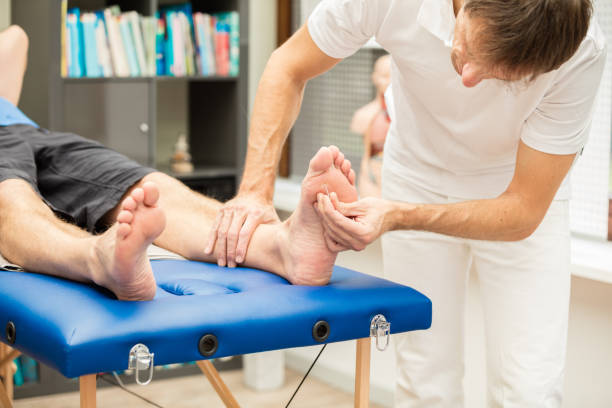
If back discomfort keeps returning or interferes with work, sleep, or daily activities, a chiropractic assessment may be one option to consider.
A chiropractor can evaluate the person’s symptoms and relevant physical findings, consider possible contributing factors, and discuss whether chiropractic care is appropriate. The purpose of an assessment is not simply to label someone’s posture as good or bad, but to understand the problem and identify suitable next steps.
At Colorado Injury & Wellness in Colorado Springs, the clinic describes its initial chiropractic process as including a consultation, examination, X-rays when needed, a report of findings, and care recommendations. The specific evaluation and treatment plan depend on the individual.
What Happens During a Chiropractic Assessment?
An assessment may involve discussing:
-
When the back pain began and how it has changed.
-
Which activities make the symptoms better or worse.
-
Previous injuries and relevant medical history.
-
The person’s movement, mobility, and other findings from an appropriate examination.
-
Whether additional investigation or referral is necessary.
This information helps guide decisions about appropriate care. Imaging is not automatically necessary for every case of back pain; the decision should depend on clinical findings and the circumstances.
Can Chiropractic Adjustments Help With Back Pain?
Chiropractic spinal manipulation involves applying a controlled force to a spinal joint. It is one of several non-drug treatment options that may be considered for certain types of lower back pain.
The U.S. National Center for Complementary and Integrative Health reports that spinal manipulation may produce small improvements in pain and function for people with acute or chronic lower back pain. Evidence quality and results vary, and treatment does not work the same way for everyone.
It is important to distinguish treating back pain from correcting posture. The available evidence does not establish that spinal adjustments permanently correct posture or resolve every case of posture-associated discomfort.
A chiropractor should discuss the potential benefits, limitations, and risks of a proposed treatment before proceeding.
Does Chiropractic Care Include Advice About Posture?
Depending on the individual’s needs, care discussions may include workstation adjustments, comfortable movement patterns, activity recommendations, and other practical strategies.
These measures can complement an appropriate treatment plan, but they should not replace a proper assessment when pain is persistent or unexplained.
At Colorado Injury & Wellness, patients can learn about the clinic’s approach to chiropractic care through its official chiropractic care page.
Is Chiropractic Care Appropriate for Everyone With Back Pain?
No single treatment is appropriate for every person or every cause of back pain.
Some symptoms may require medical evaluation before spinal manipulation or other treatment is considered. People should tell their chiropractor about relevant medical conditions, previous injuries, medications, and any new or worsening symptoms.
Spinal manipulation can cause temporary soreness, stiffness, discomfort, or headache. People with relevant health concerns should discuss treatment safety with a qualified healthcare professional.
When Should You Seek Professional Help for Back Pain?
Consider seeking an appropriate healthcare assessment if back pain persists, repeatedly returns, worsens, or interferes with daily activities.
You should also seek prompt assessment if the pain follows a significant injury or is accompanied by symptoms such as fever, unexplained weight loss, or other unusual changes.
Seek emergency medical attention if back pain occurs with new difficulty controlling your bladder or bowels, loss of sensation around the genitals or anus, or new or worsening weakness or numbness in both legs. These symptoms can indicate a serious condition that requires urgent evaluation.
Do not assume that concerning symptoms are simply the result of poor posture.
Frequently Asked Questions
Have a question not covered here? Visit our FAQs page.
Can poor posture cause back pain?
Poor posture may contribute to back discomfort in some circumstances, particularly when it involves prolonged positions or repeated physical demands. However, research has not established that specific postures independently cause every case of lower back pain.
Can sitting for long hours cause lower back pain?
Prolonged sitting may be associated with lower back pain, although the relationship varies between individuals and studies. Changing positions, taking movement breaks, and making your workstation more comfortable are practical steps to consider.
Can slouching cause back problems?
Slouching may be uncomfortable for some people, particularly when maintained for extended periods. However, slouching alone does not prove that it caused a person’s back pain or that spinal damage has occurred.
Can a chiropractor help with back pain related to poor posture?
A chiropractor can assess back pain and discuss appropriate care options. Spinal manipulation may offer small improvements in pain and function for some people with lower back pain, but its benefits vary and the evidence does not establish that it permanently corrects posture.
How can I improve my posture while working?
Adjust your chair and workstation for comfortable support, keep frequently used items within reach, change positions regularly, and take brief movement breaks. Avoid trying to hold one rigid posture throughout the day.
When should I see a chiropractor for back pain?
Consider a professional assessment if back pain persists, recurs, or interferes with daily activities. A chiropractor can help assess whether chiropractic care may be appropriate or whether another type of medical evaluation is needed. Emergency symptoms require urgent medical attention rather than a routine chiropractic appointment.
Conclusion: Take a Practical Approach to Posture and Back Pain
Poor posture and prolonged sitting may contribute to back discomfort, but they are not the only possible causes. The relationship between posture and back pain varies, so it is important to consider daily activities, symptoms, previous injuries, and other relevant factors.
Making your workstation more comfortable, changing positions regularly, staying active, and using sensible lifting techniques are practical starting points. If back pain persists or affects your daily routine, a professional assessment can help clarify possible causes and appropriate care options.
If you’re experiencing ongoing back discomfort in Colorado Springs, Colorado Injury & Wellness offers chiropractic consultations and evaluations. Book an appointment to learn more about care options.