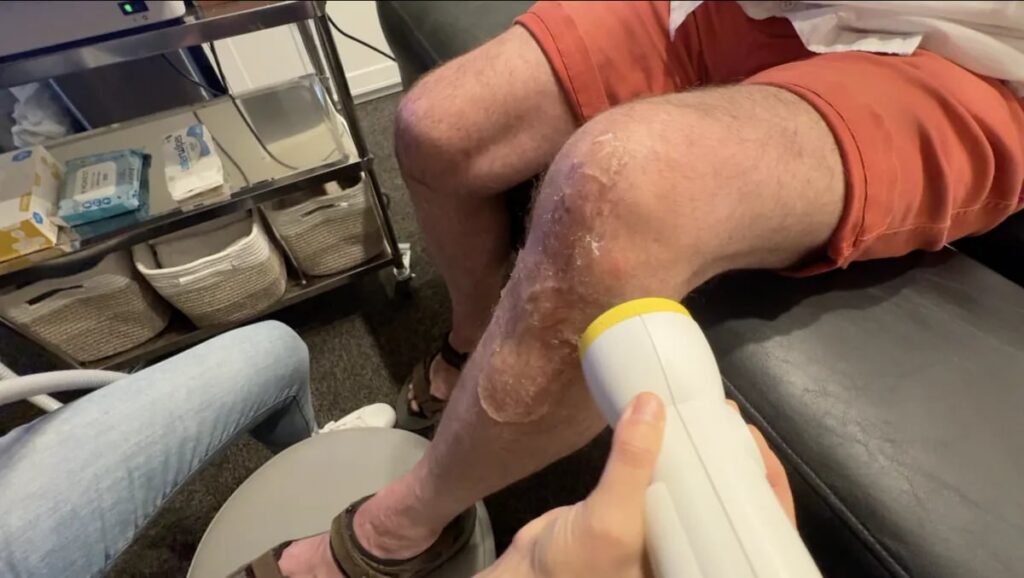
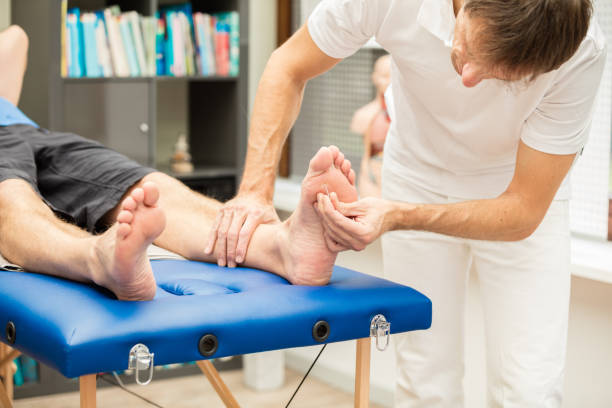

Neuropathy can make everyday activities difficult. Burning feet, tingling fingers, numbness, nerve-related pain, and muscle weakness can interfere with walking, sleeping, working, and enjoying daily life. If you are experiencing these symptoms, you may be wondering whether a chiropractor can help.
The answer depends on what is causing your symptoms. Chiropractic care may be relevant when musculoskeletal problems or certain types of nerve compression contribute to discomfort. However, peripheral neuropathy has many possible causes, and chiropractic treatment has not been established as a cure for every type of nerve damage.
At Colorado Injury & Wellness in Colorado Springs, understanding your symptoms and identifying the factors that may contribute to them are important steps toward determining the appropriate next course of action. A proper evaluation can help clarify whether chiropractic care may be suitable or whether medical assessment or referral is needed.
What is Neuropathy?

Neuropathy is a general term for a problem affecting one or more nerves. Peripheral neuropathy refers to conditions involving the peripheral nervous system, which carries signals between the brain, spinal cord, and the rest of the body.
These nerves help you feel sensations such as touch, pain, and temperature. They also help control muscle movement and certain automatic bodily functions.
When peripheral nerves are damaged or do not function properly, communication between the nervous system and the body can be disrupted. Symptoms vary according to the nerves affected, the underlying cause, and the extent of the problem.
According to the National Institute of Neurological Disorders and Stroke (NINDS), peripheral neuropathy includes many different conditions, each with its own symptoms and possible course of progression.
Common Symptoms of Neuropathy
Neuropathy does not feel the same for everyone. Some people experience changes in sensation, while others develop pain, weakness, or problems with coordination.
Common symptoms may include:
-
Tingling: Pins-and-needles sensations in the hands, feet, fingers, or toes.
-
Numbness: Reduced ability to feel touch, pain, or temperature.
-
Burning pain: A burning or hot sensation, particularly in the feet or hands.
-
Sharp or shooting pain: Discomfort that travels along an affected nerve.
-
Muscle weakness: Difficulty lifting the foot, gripping objects, or performing certain movements.
-
Balance problems: Reduced sensation or changes in coordination that make walking more difficult.
-
Sensitivity to touch: Discomfort caused by light contact that would not normally be painful.
Some symptoms develop gradually, while others appear more quickly. Persistent, unexplained, or worsening symptoms should be evaluated by a healthcare professional rather than assumed to be a result of a spinal problem.
What Causes Neuropathy?
Identifying the cause of neuropathy is important because treatment depends on the condition responsible for the nerve dysfunction. Several medical conditions, injuries, and other factors can affect peripheral nerves.
Diabetes
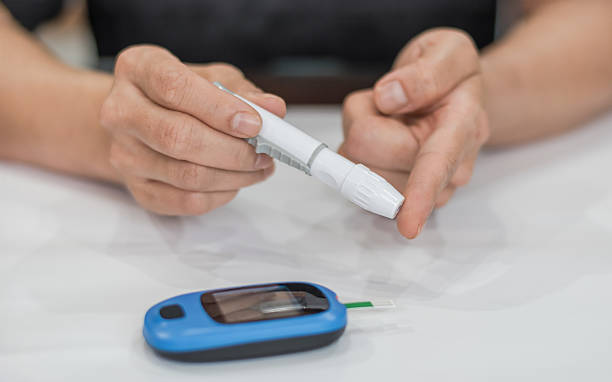
Diabetes is a major cause of peripheral neuropathy. Persistently elevated blood glucose can damage nerves and the small blood vessels that supply them.
Diabetic neuropathy commonly affects the feet and legs, although it can also affect the hands and other parts of the body. Symptoms may include burning, tingling, numbness, pain, and weakness.
Managing blood glucose and receiving appropriate medical care are important parts of managing diabetic neuropathy.
Nerve Compression or Injury
A nerve can become compressed or injured following trauma or when surrounding tissues place pressure on it. Herniated discs, certain spinal conditions, repetitive activities, and injuries may contribute to nerve-related symptoms.
For example, a compressed nerve root in the spine may cause pain, tingling, numbness, or weakness that travels into an arm or leg. This type of problem is different from generalized peripheral neuropathy, although the symptoms can sometimes overlap.
Determining whether symptoms arise from a compressed nerve, peripheral neuropathy, or another condition requires an appropriate assessment.
Vitamin Deficiencies and Other Medical Conditions
Certain nutritional deficiencies, including vitamin B12 deficiency, can contribute to peripheral nerve damage. Kidney or liver disorders, autoimmune conditions, and infections can also cause neuropathy.
Some medications, including certain chemotherapy drugs, can damage peripheral nerves. Long-term heavy alcohol use, particularly when combined with poor nutrition, is another known cause. Some types of neuropathy are inherited.
Because the possible causes are varied, it is important not to assume that every case of numbness or burning pain originates in the spine.
Can a Chiropractor Help With Neuropathy?
A chiropractor may be able to help assess certain musculoskeletal problems that contribute to nerve-related discomfort. However, whether chiropractic care is appropriate depends on the diagnosis and the individual’s symptoms.
The distinction between peripheral neuropathy and nerve compression is particularly important.
Peripheral neuropathy may result from diabetes, nutritional deficiencies, medication effects, autoimmune disease, or other conditions. Chiropractic adjustments do not treat these underlying causes.
In contrast, some nerve symptoms are associated with musculoskeletal conditions involving the spine or surrounding structures. In selected cases, conservative care may be considered as part of an individualized management plan.
The evidence supporting spinal manipulation for certain musculoskeletal conditions, such as low-back pain, should not be interpreted as proof that chiropractic treatment repairs damaged peripheral nerves or reverses neuropathy.
A chiropractor can assess musculoskeletal concerns within their professional scope, discuss potential treatment options, and recommend medical evaluation when symptoms suggest an underlying neurological or systemic condition.
What Can Chiropractic Care Potentially Help With?
Depending on the diagnosis, an individualized chiropractic assessment may consider several factors.
-
Musculoskeletal discomfort: Back, neck, or joint problems may coexist with nerve-related symptoms. Appropriate care may address these musculoskeletal complaints, although that does not necessarily mean the underlying neuropathy will improve.
-
Movement limitations: Some people experience difficulty moving comfortably because of pain or stiffness. Suitable mobility guidance or rehabilitation exercises may be considered when clinically appropriate.
-
Possible nerve compression: When symptoms suggest nerve-root or other mechanical compression, an assessment may help determine whether conservative musculoskeletal care is appropriate or whether additional medical evaluation is needed.
-
Treatment planning: Understanding symptom patterns, medical history, and functional limitations can help determine the next steps. These may include conservative care, further testing, or referral to another healthcare professional.
The potential benefits depend on the cause of the symptoms. No specific outcome can be guaranteed.
What Chiropractic Treatments May Be Considered?
There is no single chiropractic treatment that is appropriate for every person with neuropathy. Treatment decisions should follow an assessment of the individual’s condition, medical history, symptoms, and potential risks.
Depending on the circumstances, a chiropractor may consider the following approaches for relevant musculoskeletal complaints.
Chiropractic Adjustments or Mobilization
Spinal manipulation and joint mobilization are manual techniques used in chiropractic practice. Their appropriateness depends on the diagnosis, the area being treated, and the patient’s health. For some patients, gentler instrument-assisted options such as the Activator Method may be considered instead of manual adjustments.
Evidence concerning these techniques for certain musculoskeletal conditions does not establish that they cure peripheral neuropathy or regenerate damaged nerves.
Therapeutic Exercises and Mobility Guidance
Appropriate movement and exercise may help some people maintain physical function. When neuropathy affects sensation, strength, or balance, however, exercises should be selected carefully to reduce the risk of falls or injury.
A healthcare professional can help determine whether supervised rehabilitation or physical therapy is appropriate.
Individualized Conservative Care
A treatment plan may focus on a diagnosed musculoskeletal problem, symptom management, or improving function. It should also account for other medical conditions and treatments the patient is receiving.
If the symptoms appear to be caused by diabetes, a vitamin deficiency, medication effects, or another systemic condition, treating the underlying cause requires appropriate medical care.
Can Chiropractic Care Help With Diabetic Neuropathy?
Diabetic neuropathy develops as a complication of diabetes and involves nerve damage associated with the condition. It often affects the feet and legs and may cause burning, tingling, pain, or reduced sensation.
Chiropractic adjustments are not an established treatment for diabetes itself or a proven method of reversing diabetic nerve damage.
People with diabetic neuropathy should work with their medical team to manage blood glucose and address other factors that may affect nerve health. Depending on the individual’s condition, medical care may also include medication for neuropathic pain, foot care, and strategies to reduce the risk of falls or injuries.
A chiropractor may assess a separate musculoskeletal problem when appropriate, but this should complement rather than replace medical management.
Reduced sensation deserves particular attention. A person who cannot reliably feel pain, pressure, heat, or an injury may not notice damage to the feet or other affected areas. Any manual treatment or exercise plan should account for these risks.
Neuropathy vs. a Pinched Nerve: Why the Difference Matters
Neuropathy and a pinched nerve can cause similar symptoms, but they are not interchangeable terms.
Peripheral neuropathy describes dysfunction affecting peripheral nerves. It may involve several nerves and can result from systemic conditions such as diabetes or vitamin deficiencies.
A pinched nerve typically refers to a nerve under pressure or irritation at a particular location. For example, a nerve root may be compressed by a herniated disc or changes in the spine.
The symptoms may overlap. Both conditions can cause tingling, numbness, pain, or weakness. However, the distribution of symptoms, examination findings, medical history, and diagnostic tests can help distinguish between them.
This distinction matters because treatment for a compressed nerve may differ considerably from treatment for generalized peripheral neuropathy.
If symptoms suggest a spinal or musculoskeletal problem, a chiropractor may assess whether conservative care is appropriate. If the cause is unclear or symptoms suggest a neurological or systemic condition, medical evaluation may be necessary.
How Is Neuropathy Diagnosed?
Diagnosing neuropathy involves identifying the type of nerve problem and investigating its possible cause. A healthcare professional may use several methods depending on the symptoms and medical history.
Medical History and Physical Examination

The evaluation may include questions about when symptoms began, where they occur, whether they are worsening, and how they affect daily activities.
A physical examination may assess muscle strength, reflexes, sensation, coordination, and balance. The findings can help determine whether further testing is needed.
Blood Tests

Blood tests may help identify contributing conditions, such as diabetes, vitamin deficiencies, or kidney and liver disorders. The tests selected depend on the patient’s presentation and clinical assessment.
Imaging and Nerve Function Tests
When indicated, imaging such as MRI may help identify structural problems, including certain causes of nerve compression. X-rays can show the bones and alignment of the spine, but they do not show nerves or soft tissues.
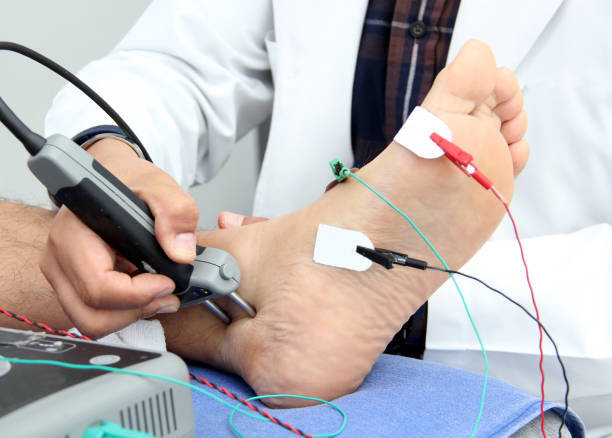
Electromyography (EMG) and nerve conduction studies can help evaluate nerve and muscle function. These tests may be useful when the diagnosis is uncertain or when a clinician needs more information about the location or nature of the nerve problem.
Not everyone needs every test. The appropriate investigation depends on the suspected cause and the clinical findings.
Is Chiropractic Care Safe for People With Neuropathy?
Safety depends on the underlying condition, the affected nerves, the patient’s medical history, and the treatment being considered.
People with reduced sensation, significant weakness, balance difficulties, fragile bones, or other medical conditions may require additional precautions. A treatment that is suitable for one person may not be suitable for another.
Before receiving chiropractic care, patients should disclose relevant diagnoses, medications, previous injuries, and changes in their symptoms. A chiropractor should consider whether the proposed treatment is appropriate and refer the patient for further assessment when necessary.
Chiropractic care should not delay medical evaluation for unexplained or progressive neurological symptoms.
Seek emergency medical attention for sudden weakness, rapidly developing neurological symptoms, or new loss of bladder or bowel control accompanied by back pain or leg weakness. These symptoms may indicate a serious condition requiring urgent assessment.
When Should You See a Doctor for Neuropathy?
Consider seeking medical evaluation if you experience persistent or unexplained numbness, tingling, burning pain, or weakness. Assessment is especially important when symptoms are worsening, affecting both feet or hands, interfering with walking, or accompanied by changes in balance.
A doctor can investigate possible causes and determine whether blood tests, neurological assessment, imaging, or other investigations are appropriate.
A neurologist may be involved when symptoms suggest a neurological disorder or when the diagnosis requires specialist evaluation.
If a musculoskeletal problem is also present, chiropractic care may be considered when appropriate. The priority is to identify the cause of the symptoms and choose care that addresses the actual condition.
Neuropathy Evaluation at Colorado Injury & Wellness in Colorado Springs
If nerve-related symptoms are affecting your daily life, understanding their possible cause is an important first step.
Colorado Injury & Wellness, led by Dr. Austin Clarke, provides chiropractic care in Colorado Springs and has a dedicated page for patients seeking information about neuropathy. The clinic’s published services include chiropractic care and other conservative treatment options.
An appointment can provide an opportunity to discuss your symptoms, medical history, and concerns. Whether chiropractic care is appropriate depends on the findings and the nature of the condition. Some patients may need additional medical testing or referral before a treatment plan can be determined.
New Patient Special: $49
New patients can start with the clinic’s $49 New Patient Special, which includes:
-
X-rays (if needed)
-
Chiropractic adjustment (if appropriate)
-
Report of findings
-
Cre recommendations
This first visit is a chance to review your symptoms and find out whether chiropractic care is suitable for your condition or whether medical evaluation should come first. To prepare, you can fill out the patient intake form before your appointment. For information on costs after your first visit, see the clinic’s payment options.
The goal should be to establish realistic expectations and identify appropriate next steps rather than assume that every type of neuropathy responds to the same treatment.
If you are experiencing numbness, tingling, burning pain, or other nerve-related symptoms, contact Colorado Injury & Wellness at (719) 471-4174 or visit the clinic at 1819 West Colorado Ave., Colorado Springs, CO 80904, to discuss your concerns and whether an evaluation is appropriate.
Frequently Asked Questions About Chiropractic Care and Neuropathy
Can a chiropractor reverse neuropathy?
There is no established evidence that chiropractic adjustments reverse peripheral neuropathy in general. Treatment depends on the underlying cause. Some forms of neuropathy may improve when the contributing condition is addressed, but this does not mean chiropractic care is responsible for nerve recovery.
Can chiropractic adjustments help with numbness and tingling?
Numbness and tingling can have many causes, including nerve compression, diabetes, and vitamin deficiencies. Chiropractic care may be considered for certain musculoskeletal conditions, but the symptoms need to be evaluated before deciding whether treatment is appropriate. Numbness in the hand and fingers, for example, is sometimes caused by carpal tunnel syndrome.
Can a chiropractor help with diabetic neuropathy?
Chiropractic care is not an established treatment for diabetes or diabetic nerve damage. People with diabetic neuropathy should receive appropriate medical care. A chiropractor may assess a separate musculoskeletal concern when suitable, taking reduced sensation and other risks into account.
How do I know whether my symptoms are caused by a pinched nerve or neuropathy?
Symptoms can overlap, so they cannot always be distinguished by how they feel alone. A healthcare professional may use your medical history, physical and neurological examination, and diagnostic tests to determine the likely cause. To learn more, read our guide: Can a Chiropractor Help With a Pinched Nerve?
Should I see a neurologist or a chiropractor for neuropathy?
If you have unexplained, persistent, or worsening nerve symptoms, start with a medical evaluation. A primary care clinician can investigate common causes and determine whether a neurologist or another specialist is needed. Chiropractic care may be considered for a relevant musculoskeletal condition when appropriate. For general questions about chiropractic care, see the clinic’s FAQs.
What is the best treatment for peripheral neuropathy?
There is no single treatment that works for every type of peripheral neuropathy. Management depends on the cause and may involve treating an underlying condition, addressing nutritional deficiencies, managing blood glucose, using medication for neuropathic pain, or providing rehabilitation and supportive care.
When should I seek urgent medical attention?
Seek emergency care for sudden weakness, rapidly progressing neurological symptoms, or new loss of bladder or bowel control associated with back pain or leg weakness. Do not wait for a routine chiropractic appointment if these symptoms occur.
Conclusion
Neuropathy can affect sensation, movement, comfort, and everyday activities. Because it has many possible causes, identifying the underlying condition is essential before deciding on treatment.
Chiropractic care may have a role in managing selected musculoskeletal problems associated with nerve-related discomfort, but it is not a proven cure for peripheral neuropathy or diabetic nerve damage. Appropriate medical evaluation remains important, particularly when symptoms are unexplained, progressive, or accompanied by weakness or balance difficulties.
If you are experiencing nerve-related symptoms in Colorado Springs, Colorado Injury & Wellness can be contacted to discuss your concerns and whether an evaluation is appropriate. The next step should be guided by your symptoms, clinical findings, and the care most suitable for your condition.