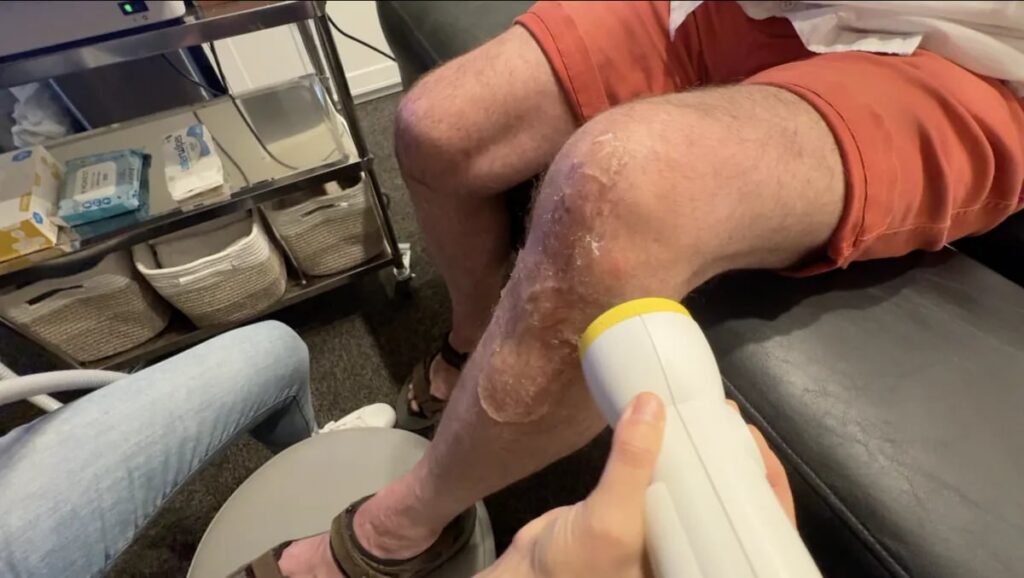


A pinched nerve rarely asks permission before it takes over your day. One minute you are reaching for a coffee cup, the next there is a hot line of pain shooting down your arm, or a patch of numbness in your foot that will not quit. Sleep gets interrupted. Simple movements start to feel risky. And sooner or later, most people land on the same question: is surgery really the only fix, or is there a gentler way back to normal?
For many people, seeing a chiropractor for a pinched nerve is one of the first non-surgical, drug-free options worth exploring. This guide breaks down what a pinched nerve actually is, what the research does and does not say about chiropractic care, what a visit looks like, how to lower your risk of it happening again, and the red flags that mean you should be seen right away.
What is a Pinched Nerve?
“Pinched nerve” is an everyday phrase rather than a medical diagnosis. It describes a nerve that has been compressed by the tissues around it, such as bone, cartilage, ligaments, or muscle, which squeeze the nerve and set off numbness, tingling, and pain. When you see a provider, they usually pin down a more precise cause, which is why you may also hear terms like radiculopathy, spinal stenosis, or nerve entrapment.
When the compression happens at a nerve root as it branches off the spine, the medical name is radiculopathy, and it is grouped by where it sits along the spine:
-
Cervical radiculopathy, in the neck
-
Thoracic radiculopathy, in the mid to upper back
-
Lumbar radiculopathy, in the lower back
Pressure on a spinal nerve root often traces back to a herniated disc or other age-related changes in the spine. Sciatica is the most familiar example of all. The casual name is “pinched nerve,” but the clinical term is radiculopathy, and it is most commonly caused by a herniated lumbar disc pressing on a nerve root, which sends pain traveling down the leg.
The good news hiding in the fine print: most pinched nerves are mild. That prickly feeling when your hand or foot “falls asleep” is the briefest version of one. The stubborn, ongoing cases that cause true radiculopathy are far less common.
Signs and Symptoms of a Pinched Nerve
A pinched nerve usually shows up as abnormal sensation before anything else. Watch for:
-
Tingling or a “pins and needles” feeling
-
Burning or prickling
-
Numbness, or a limb that keeps going to sleep
-
Sharp, shooting pain or a dull, nagging ache
-
Muscle weakness when the compression is more serious
Because one nerve can serve several parts of the body, the symptoms often travel. A pinched sciatic nerve in the lower back, for instance, can radiate through the hip, buttock, and down the leg.
With radiculopathy, the symptoms tend to affect one side of the body. According to the Mayo Clinic, that can mean pain shooting down an arm or leg, reduced feeling in the area the nerve supplies, tingling, or weakness in the arm, hand, leg, or foot. Some people notice they drop things more often or struggle to walk normally.
What Causes a Pinched Nerve?
Pinched nerves happen when nearby tissue, or swelling and inflammation, presses on the nerve. The usual culprits include:
-
Osteoarthritis and the bone spurs that tend to form with it
-
Injury to bones, joints, ligaments, or muscles
-
Spinal conditions such as a herniated disc, spinal stenosis, spinal fracture, or spinal tumors
A handful of factors raise the odds, including being over age 50, carrying extra weight, pregnancy, and repetitive-motion work like typing, assembly line tasks, or certain sports. Because arthritis is such a common driver of nerve pressure, it helps to understand the difference between osteoarthritis and rheumatoid arthritis and how each one affects your joints.
Injury is a frequent trigger, too. Radiculopathy can follow a car crash, a fall, or lifting something heavy the wrong way, though many people cannot trace it to a single moment and simply wake up one day with pain running down a leg. If your symptoms started after a collision, timing matters for both your recovery and your paperwork, which is exactly why we put together a guide on how long after a car accident you should see a chiropractor.
Can a Chiropractor Help With a Pinched Nerve?
Here is the question everyone actually came for, so let us answer it with evidence rather than promises.
Chiropractic care usually centers on spinal manipulation, a technique where the practitioner uses their hands or a small device to deliver a controlled thrust to a spinal joint, moving it slightly further than it would move on its own. Most spinal manipulation is done by chiropractors, although some osteopathic physicians and physical therapists use it as well. It is far from fringe, either. Data cited by the National Center for Complementary and Integrative Health shows that in 2022, 11 percent of US adults had chiropractic care in the past year, up from 7.4 percent two decades earlier.
So where does the science land? Here is the honest picture:
-
Low back pain. Spinal manipulation is one of several non-drug approaches that may deliver small improvements in pain and function. For acute low back pain, a 2017 analysis of 15 studies covering 1,699 people found moderate-quality evidence of a modest improvement in pain, on par with the relief from common anti-inflammatory medication.
-
Clinical guidelines. In its 2017 guideline, the American College of Physicians lists spinal manipulation as one of the options that may help people with acute or chronic low back pain.
-
Sciatica and nerve-related leg pain. Manipulation is not widely used specifically for sciatica, but a 2015 review suggested it may help, while flagging real limitations in the studies. In a 2014 study of 192 people with back-related leg pain, those who received spinal manipulation alongside advice and a home exercise program reported less pain at 12 weeks and used less medication a year later than the group given advice and exercise alone. By the one-year mark, leg pain was similar between the two groups.
The takeaway worth remembering: the evidence for chiropractic care is strongest for low back pain in general, while the evidence aimed specifically at sciatica and radiculopathy is thinner and more mixed. That is not a reason to write it off. It is a reason to choose carefully. A good pinched nerve chiropractor leads with a thorough assessment instead of a routine, one-size-fits-all adjustment, and works to relieve pressure on the nerve, calm the pain, and get you moving comfortably again, all while checking that conservative care is genuinely the right fit for you.
How a Chiropractor Approaches a Pinched Nerve
No two pinched nerves are identical, so a solid plan starts with figuring out what is really going on before anyone touches your spine. Expect the first visit to open with your health history and a hands-on physical exam. Your provider will look for muscle weakness, test your reflexes, and ask you to describe the exact sensations you are feeling, because the details help locate the source. If the picture is not clear, imaging or nerve tests such as an X-ray, ultrasound, CT, MRI, or an EMG and nerve conduction study may be recommended.
From there, care is usually conservative and built around your specific case. Chiropractic adjustments aim to ease pressure and irritation on the affected nerve, and they are often paired with the kind of supportive, non-surgical measures used for pinched nerves more broadly:
-
Rest and time, since many pinched nerves calm down on their own
-
Ice and heat for temporary relief of a sore, swollen area
-
Over-the-counter pain relievers such as acetaminophen or NSAIDs like ibuprofen and naproxen
-
Immobilization devices, such as a wrist splint or a cervical collar, to rest the area and limit aggravating movement
-
Physical therapy, using targeted stretches and light exercise to take load off the nerve
For a pinched nerve in the neck specifically, the American Academy of Orthopaedic Surgeons notes that initial care is non-surgical and may include a soft cervical collar, physical therapy exercises to rebuild strength and range of motion, and sometimes gentle traction to stretch the joints and muscles of the neck.
Before you commit to any provider, it pays to ask a few plain questions. The National Center for Complementary and Integrative Health recommends checking a chiropractor’s education and licensure, sharing your full health history and medications up front, and asking how many sessions you are likely to need and what the out-of-pocket cost looks like.
Is Chiropractic Care Safe for a Pinched Nerve?
For most people, the short answer is yes, with a few sensible caveats. Mild-to-moderate side effects such as increased soreness, stiffness, or a headache are fairly common after manipulation, and they typically settle within 24 hours.
Serious complications, including serious spinal or neurological problems, have been reported but are very rare. Neck manipulation in particular has been linked to rare tears in the arteries of the neck, called cervical artery dissections, which can lead to a stroke. The incidence among people getting manipulation is low, and experts still disagree about whether manipulation actually causes these tears, but you deserve to know the risk exists. It can also run higher in people with certain underlying health conditions, which is precisely why an honest, thorough conversation about your health and medications belongs at the very start of care, not the end.
The Outlook: Do Pinched Nerves Get Better?
There is genuine reason to be hopeful. Plenty of pinched nerves improve with time and conservative care, and symptoms can ease within days to weeks. Signs that you are healing include pain that is less intense, pain that covers fewer areas, fewer bouts of tingling or numbness, and steadily improving range of motion and strength.
The neck offers some of the most encouraging numbers. Roughly 90 percent of people with cervical radiculopathy have good to excellent outcomes with non-surgical treatment, and most cases respond well to conservative care without ever needing surgery.
How to Lower Your Risk of a Pinched Nerve
You cannot prevent every pinched nerve, but a few habits genuinely stack the odds in your favor:
-
Keep to a weight that is healthy for you, since extra load adds pressure on nerves
-
Do regular stretching exercises to keep your muscles strong and flexible
-
Avoid sitting or lying in one position for too long, and try not to cross your legs for extended stretches
-
Break up repetitive motions, like typing, with short, frequent pauses
None of these are dramatic, and that is the point. Small, consistent adjustments to how you sit, move, and take breaks tend to protect your nerves far better than any single fix.
When to See a Doctor Right Away
Conservative care is a great starting point, but some symptoms should not wait. Reach out to a provider if:
-
Your symptoms last more than a week and are not improving with home care
-
You have intense pain or sudden muscle weakness, which should be seen as soon as possible
Seek urgent care if a pinched nerve comes with changes in bladder or bowel function, which can signal a more serious problem. And if neck-related symptoms keep going or get worse despite non-surgical treatment, surgery may become part of the conversation. A good chiropractor is not trying to be your only provider. They work as part of your wider care team and will refer you onward the moment that is the right call.
See a Pinched Nerve Chiropractor in Colorado Springs
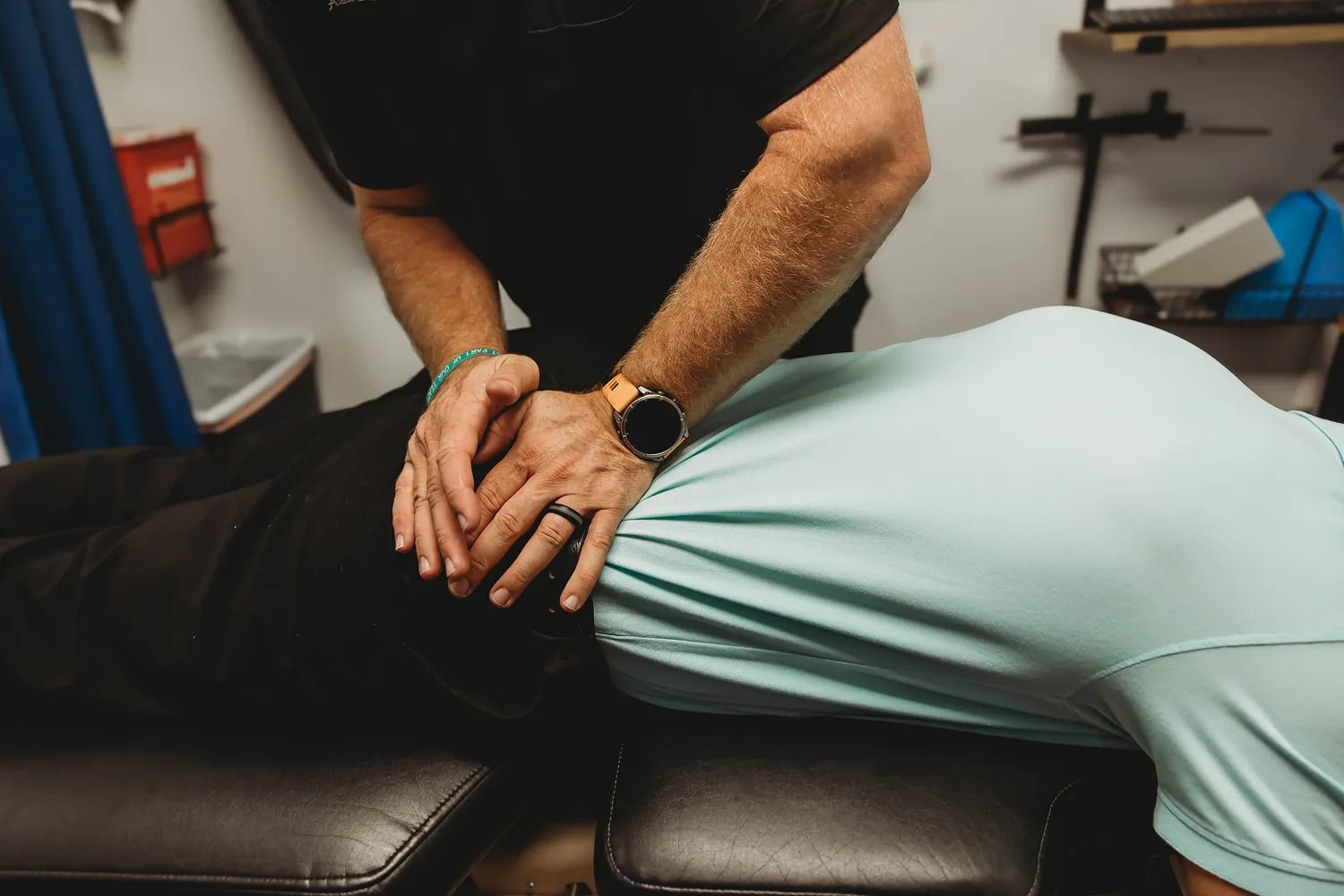
If a pinched nerve is stealing your sleep, wrecking your workouts, or making the workday miserable, you do not have to just grit your teeth and wait it out. At Colorado Injury and Wellness, Dr. Austin Clarke provides hands-on, non-surgical care focused on relieving nerve pressure, calming your pain, and helping you move like yourself again. Depending on what your exam shows, a plan may draw on chiropractic adjustments, spinal decompression, and flexion-distraction.
Colorado Injury and Wellness Dr. Austin Clarke 1819 W Colorado Ave, Colorado Springs, CO 80904 Phone: +1 719-471-4174
Book online: Request an appointment
Frequently Asked Questions
Can a chiropractor make a pinched nerve worse?
Manipulation most often causes short-lived soreness or stiffness that clears within about 24 hours, and serious harm is very rare. A careful exam and a full health history keep your care matched to your situation.
How long does it take to feel better?
Nerves heal on their own timeline. Even a small drop in symptoms is a good sign, and if things have not improved after a couple of weeks, it is worth circling back with a provider.
Is chiropractic safe for a pinched nerve in the neck?
It can be, and non-surgical care is the standard starting point for cervical radiculopathy. Neck manipulation does carry a rare risk of artery tears, so share any health conditions with your chiropractor before treatment begins.
Do I need surgery for a pinched nerve?
Usually not. Most pinched nerves respond to conservative care, and surgery is generally reserved for cases that continue or worsen despite non-surgical treatment.
When should I stop treating it at home and get seen?
See a provider if symptoms last more than a week without improving, and seek care promptly for intense pain, sudden weakness, or any change in bladder or bowel function.