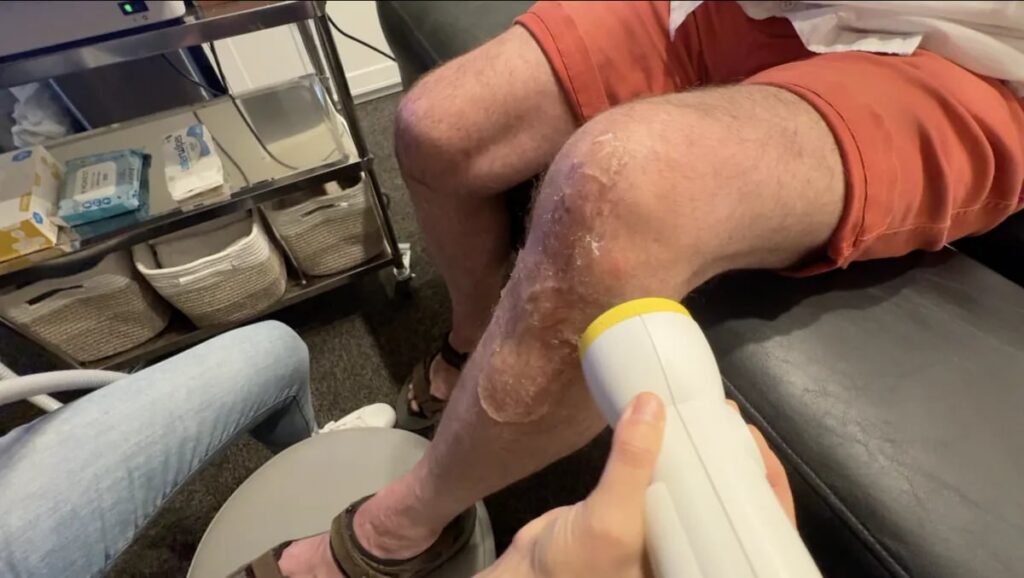


A work injury can affect far more than your ability to finish a shift. Pain, stiffness, limited mobility, or difficulty with certain movements can make everyday activities harder and may keep you away from the job you rely on.
For certain musculoskeletal problems, Chiropractic Care for Work Injuries may be one part of a broader recovery plan. At Colorado Injury & Wellness, Dr. Austin Clarke and the team provide chiropractic care for people experiencing work-related pain and injuries.
Work-related musculoskeletal disorders can be associated with physical demands such as lifting, repetitive movements, awkward postures, and forceful exertion. The National Institute for Occupational Safety and Health (NIOSH) has reported evidence connecting certain physical workplace factors with musculoskeletal disorders affecting areas including the back, neck, and upper extremities.
If an injury is affecting your ability to work comfortably, an appropriate evaluation can help you understand your symptoms and possible care options.
What is a Work-Related Injury?
Work injuries can happen suddenly or develop gradually.
A single incident, such as lifting a heavy object, falling, twisting, or moving awkwardly, may cause immediate symptoms. Other problems can develop over time because of repetitive movements, prolonged positions, lifting, pushing, pulling, or other physical demands.
According to CDC/NIOSH information on work-related musculoskeletal disorders, work conditions involving lifting, pushing, pulling, carrying, awkward postures, vibration, and increased intensity or frequency can contribute to musculoskeletal problems.
Colorado Injury & Wellness provides information about work-related aches and injuries associated with activities such as heavy lifting, frequent movement, and repetitive work.
Common complaints can include:
-
Wrist and hand discomfort
-
Muscle and joint pain
-
Reduced mobility
The type and severity of the problem will determine what kind of care may be appropriate.
How Can Chiropractic Care for Work Injuries Help?

Chiropractic Care for Work Injuries focuses on the musculoskeletal system and may be used for certain conditions involving pain, stiffness, and movement limitations.
The chiropractic care offered by the practice includes evaluation and treatment for problems involving areas such as the back, neck, hip, and shoulder. During an appointment, the practice may perform a physical examination and possibly X-rays when appropriate.
Depending on the patient’s condition, treatment may include chiropractic adjustments, massage therapy, or another approach.
Work injuries can result in different types of musculoskeletal symptoms. For example, some workers may experience back pain, while others may develop neck pain, shoulder pain, or other problems related to the physical demands of their job.
The goal is not to assume every work injury requires the same treatment. Instead, an appropriate evaluation can help determine what type of care may be suitable for the individual’s condition.
Why Should You Get a Work Injury Evaluated?
It can be easy to ignore pain after a workplace incident, especially if symptoms initially seem manageable.
However, continuing demanding work while experiencing pain or restricted movement may make normal job tasks more difficult.
Returning to work can also involve more than treating physical symptoms. A 2026 systematic review examined challenges faced by people returning after leave related to work-related musculoskeletal disorders. The review included 11 studies and identified factors such as functional capacity, emotional factors, workplace organization, health-system access, and work relationships.
This highlights why recovery and returning to work can involve several factors rather than one treatment or one specific timeline.
If you are unsure where to begin, the first-visit information can help you understand what to expect when starting care.
What Happens During Chiropractic Care for a Work Injury?
Your first appointment is an opportunity to discuss what happened, where you are experiencing symptoms, and how those symptoms affect your daily activities and work.
The first chiropractic visit may involve an evaluation of your condition and discussion of appropriate treatment options.
The practice states that testing can include a physical examination and, when needed, X-rays. Treatment recommendations may then depend on the findings and your individual situation.
The goal is not to assume every work injury requires the same treatment. Instead, the focus is on determining which approach, if any, is appropriate for the individual’s condition.
Can Chiropractic Care Help You Return to Work?
Returning to work is often an important goal after an injury, but recovery timelines vary.
A 2025 systematic review and meta-analysis examining return to work after work-related injuries included 16 cohorts and 4,164 workers. The researchers found that return-to-work outcomes varied according to factors including injury type and demographic characteristics, supporting the need for individualized rehabilitation and support.
For someone recovering from a workplace injury, relevant factors may include:
-
The type and severity of the injury
-
Pain and other symptoms
-
Physical function and mobility
-
The demands of the job
-
Repetitive or strenuous movements
-
Workplace conditions
-
Available modifications or restrictions
-
Whether additional medical or rehabilitation care is needed
This is why injury recovery chiropractic care should be considered as part of an overall approach rather than as a guaranteed shortcut back to work.
Your Job Can Affect Your Recovery
A person with a desk-based job may face very different challenges from someone whose work involves lifting, carrying, bending, climbing, or repetitive physical tasks.
Your job may require:
-
Repeated lifting
-
Carrying equipment
-
Standing for long periods
-
Bending or twisting
-
Reaching overhead
-
Repetitive hand movements
-
Pushing or pulling
-
Working in awkward positions
NIOSH identifies factors such as awkward postures, overhead work, lifting bulky loads, twisting and carrying, forceful movements, and repetitive activity as potential workplace risk factors for work-related musculoskeletal disorders.
Understanding those demands can help you and your healthcare providers consider what activities may need to be modified during recovery.
What Other Care Options May Be Considered?
Chiropractic care may be only one component of recovery.
Depending on the injury and recommendations from qualified healthcare professionals, recovery may also involve exercise, activity modification, workplace adjustments, or other rehabilitation services.
Some work injuries may involve specific symptoms that require further evaluation. Workers experiencing knee pain or carpal tunnel syndrome may have different recovery considerations depending on their job duties and the cause of their symptoms.
Likewise, certain injuries involving the lower back may produce sciatica or may involve herniated or bulging discs. These symptoms should be evaluated to determine what type of care may be appropriate.
Workplace factors can also matter during recovery. NIOSH’s Elements of Ergonomics Programs provides guidance for identifying and addressing workplace factors that may contribute to musculoskeletal disorders.
For a physically demanding job, understanding those factors can be particularly important when planning a return to normal duties.
Is Chiropractic Care Appropriate for Every Work Injury?
No.
Not every workplace injury should automatically be treated with chiropractic care. Serious trauma, suspected fractures, significant neurological symptoms, or other concerning symptoms may require prompt medical evaluation.
Chiropractic Care for Work Injuries may be considered for appropriate musculoskeletal conditions, but the correct course of action depends on the specific injury and the individual’s circumstances.
If you are unsure what type of care you need after a workplace injury, an appropriate evaluation can help determine the next step.
When Should You See a Work Injury Chiropractor?
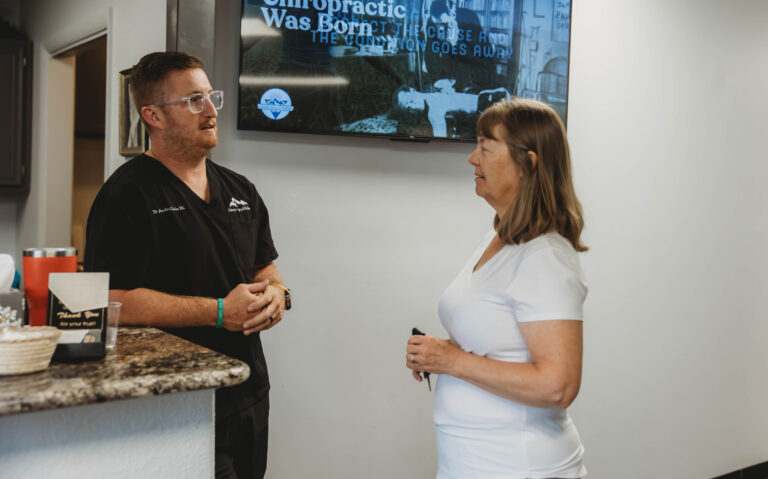
You may want to speak with a work injury chiropractor if you have persistent or recurring musculoskeletal symptoms after a workplace incident or as a result of physically demanding work.
An evaluation may be worth considering if you are experiencing:
-
Persistent back pain
-
Neck pain following repetitive or physically demanding work
-
Reduced range of motion
-
Pain during work-related movements
-
Muscle or joint stiffness
-
Numbness or tingling
-
Difficulty completing normal physical tasks
-
Symptoms that are not improving
Getting an injury assessed can help you better understand what may be contributing to your symptoms and what care options may be appropriate.
Get Started With Injury Care
A work injury can interrupt your routine, affect your ability to perform your job, and make everyday activities more difficult.
For appropriate musculoskeletal conditions, Chiropractic Care for Work Injuries may be one component of a recovery plan focused on addressing symptoms and supporting mobility and function.
If you’re looking for Colorado injury care after a workplace injury, an appropriate evaluation can help determine what type of care may be suitable for your symptoms.
If you are dealing with a work-related injury, book your consultation with Colorado Injury & Wellness to discuss your symptoms and available care options.
You can also learn more about the chiropractic team and practice before your appointment.
The office is located at 1819 West Colorado Ave., Colorado Springs, CO 80904, and can be reached at (719) 471-4174.
Frequently Asked Questions
What is Chiropractic Care for Work Injuries?
Chiropractic Care for Work Injuries refers to chiropractic treatment for appropriate musculoskeletal problems associated with workplace injuries or physical demands. Depending on the condition, care may focus on symptoms such as pain, stiffness, or reduced mobility.
Can a work injury chiropractor help with back pain?
A work injury chiropractor may provide care for certain types of musculoskeletal back pain. The appropriate approach depends on the cause and severity of the symptoms.
You can learn more about the practice’s approach to back pain treatment.
What if my work injury involves my neck or shoulder?
Neck and shoulder problems can have different causes, so an appropriate evaluation is important. Colorado Injury & Wellness provides additional information about neck pain and shoulder pain.
Can chiropractic care help with sciatica?
Sciatica can involve pain, numbness, tingling, or other symptoms that travel from the lower back into the leg. The practice provides additional information about sciatica and treatment options.
How quickly can I return to work after a work injury?
There is no universal recovery timeline. Return to work can depend on the injury, physical function, job demands, workplace factors, and other aspects of recovery.
Should I wait for a work injury to get worse before seeking care?
If you have persistent pain or other symptoms following a workplace injury, it is reasonable to seek an appropriate evaluation rather than simply continuing to work through the problem.
You can schedule a consultation to discuss your symptoms with the care team.
Is Chiropractic Care for Work Injuries appropriate for every work injury?
No. Some injuries require medical evaluation or other forms of treatment. Serious trauma or concerning symptoms should receive appropriate medical attention.
How do I book an appointment?
You can book an appointment online or call/text (719) 471-4174.
Final Thoughts
Getting back to work after an injury is not always as simple as waiting for the pain to disappear. Your symptoms, physical abilities, job demands, workplace environment, and access to appropriate care can all influence the process.
For people with suitable musculoskeletal conditions, injury care that includes chiropractic treatment may be one option to discuss with a qualified provider.
If a workplace injury is affecting your ability to work or move comfortably, book your consultation with Colorado Injury & Wellness to discuss your situation and determine what care may be appropriate.