
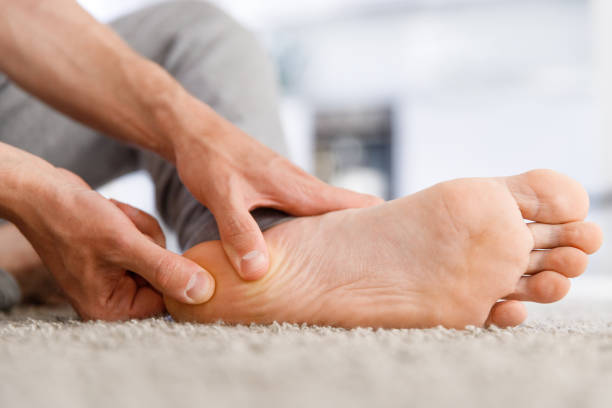

Heel pain can make even simple daily activities feel difficult. For many people, the sharp pain felt near the bottom of the heel—especially during the first steps in the morning—is caused by plantar fasciitis. This common foot condition affects runners, active individuals, workers who stand for long hours, and even people with poor footwear habits. According to medical experts, plantar fasciitis is one of the most common causes of heel pain in adults.
Many patients searching for relief often look for a chiropractor for plantar fasciitis because conservative, non-surgical treatments may help reduce pain, improve mobility, and support recovery. At Colorado Injury & Wellness, Dr. Austin Clarke works with patients experiencing foot pain, mobility issues, and musculoskeletal conditions using personalized chiropractic and wellness-based approaches. The clinic provides care for conditions including plantar fasciitis, sports injuries, joint pain, and posture-related problems.

What is Plantar Fasciitis?
Plantar fasciitis is a condition involving irritation or degeneration of the plantar fascia—a thick band of connective tissue that runs along the bottom of the foot from the heel bone to the toes. The plantar fascia helps support the arch of the foot and absorbs shock while walking or running. When excessive stress or repeated strain occurs, small tears and inflammation may develop, leading to heel pain and stiffness.
The pain is usually most noticeable:
- During the first steps in the morning
- After long periods of sitting
- After exercise or standing for long periods
- When walking barefoot on hard surfaces
According to medical sources, plantar fasciitis commonly develops gradually rather than suddenly.
-
Common Symptoms of Plantar Fasciitis
Symptoms may vary from person to person, but common signs include:
- Sharp Heel Pain: Many people describe a stabbing pain near the bottom of the heel.
- Morning Foot Pain: Pain is often worse during the first few steps after waking up.
- Arch Tightness or Stiffness: The bottom of the foot may feel tight or sore throughout the day.
- Increased Pain After Activity: Pain may worsen after exercise rather than during activity itself.
- Tenderness Around the Heel: The heel may feel sensitive when pressure is applied.
These symptoms are commonly associated with plantar fasciitis according to clinical and medical references.
What Causes Plantar Fasciitis?
Several factors can increase stress on the plantar fascia and contribute to the condition.
-
Repetitive Stress and Overuse
Activities that place repeated stress on the feet can contribute to plantar fasciitis, including:
- Running
- Jumping
- Long-distance walking
- Sports involving repetitive impact
People who suddenly increase workout intensity may also be at higher risk.
-
Standing for Long Hours
Occupations that require prolonged standing or walking on hard surfaces may increase strain on the feet. Teachers, nurses, retail workers, and factory employees commonly experience this issue.
-
Poor Foot Mechanics
Certain foot structures may increase tension on the plantar fascia, including:
- Flat feet and High arches
- Abnormal walking patterns
- Limited ankle mobility
These mechanical issues can affect weight distribution and movement patterns.
Shoes lacking proper arch support or cushioning may increase stress on the heel and fascia. Walking barefoot frequently on hard floors may also aggravate symptoms.
Additional body weight increases pressure on the plantar fascia, especially during standing and walking.
-
Tight Muscles and Reduced Flexibility
Tight calf muscles and Achilles tendon tension may alter foot mechanics and place additional stress on the heel. Stretching and mobility work are often recommended in conservative care plans.
Can a Chiropractor Help With Plantar Fasciitis?
Many patients search online for a plantar fasciitis chiropractor because chiropractic care may help improve movement, reduce tension, and support overall foot mechanics.
While chiropractic care is not presented as a guaranteed cure, conservative treatment approaches may help some individuals manage discomfort and improve function. At Colorado Injury & Wellness, Dr. Austin Clarke provides chiropractic care focused on musculoskeletal health, mobility, and recovery support. The clinic treats conditions including plantar fasciitis, sports injuries, joint pain, and extremity conditions affecting the feet and ankles.

How a Chiropractor May Approach Plantar Fasciitis Treatment
-
Foot and Ankle Adjustments
A chiropractor plantar fasciitis treatment plan may include gentle adjustments designed to improve joint mobility in the foot and ankle. Better movement patterns may reduce stress placed on the plantar fascia.
-
Soft Tissue Therapy
Soft tissue techniques may target tight muscles, fascia restrictions, and trigger points in the calf and foot.
At Colorado Injury & Wellness, advanced therapies mentioned by the clinic include:
- Myofascial approaches
- Active Release Technique (ART)
- Shockwave therapy
- SoftWave Therapy
- Laser therapy
These therapies are described by the clinic as supportive tools for chronic pain, soft-tissue injuries, and mobility problems.
-
Gait and Posture Evaluation
Walking mechanics and posture can influence how pressure is distributed through the feet. Chiropractors may evaluate:
- Foot alignment
- Walking patterns
- Hip and knee movement
- Spinal posture
Addressing these movement patterns may help reduce recurring stress on the plantar fascia.
-
Stretching and Rehabilitation Exercises
Stretching programs often focus on:
- Calf muscles
- Achilles tendon
- Plantar fascia mobility
Strengthening exercises may also help improve foot stability and support long-term recovery.
Plantar Fasciitis Treatment Options
There is no universal treatment that works for everyone. However, conservative treatment methods are commonly recommended.
- Rest and Activity Modification: Reducing activities that aggravate symptoms may help the fascia recover.
- Ice Therapy: Cold therapy may help reduce irritation and discomfort.
- Supportive Footwear: Shoes with proper arch support and cushioning may reduce heel stress.
- Orthotics: Custom or over-the-counter inserts may improve foot mechanics.
- Physical Therapy: Therapeutic exercises may improve flexibility and strength.
- Chiropractic Care: Some patients choose chiropractic care as part of a broader conservative treatment approach.
- Shockwave and SoftWave Therapy: Some clinics use acoustic or regenerative therapies aimed at supporting tissue healing and reducing discomfort.
How to Cure Plantar Fasciitis in One Week — Is It Possible?
Many people search for how to cure plantar fasciitis in one week, but medical experts generally do not describe plantar fasciitis as a condition that resolves instantly.
Recovery time depends on:
- Severity of the condition
- Activity level
- Foot mechanics
- Consistency of treatment
- Overall health
According to medical sources, most people improve gradually with conservative care over weeks or months rather than days.
However, some individuals may experience symptom relief within a short period when combining:
- Rest
- Stretching
- Ice therapy
- Supportive footwear
- Reduced inflammation
- Professional care
The goal is typically long-term healing and prevention of recurrence rather than temporary symptom masking.
Why Patients Choose Colorado Injury & Wellness
Many patients looking for a chiropractor for plantar fasciitis in Colorado Springs seek personalized care focused on movement, mobility, and recovery.
Colorado Injury & Wellness provides chiropractic and wellness-based care for various musculoskeletal conditions. According to the clinic website, services include:
- Chiropractic adjustments
- SoftWave Therapy
- Shockwave therapy
- Laser therapy
- Sports injury care
- Extremity condition treatment
- Rehabilitation support
Dr. Austin Clarke graduated from Palmer College of Chiropractic and focuses on patient-centered chiropractic care in Colorado Springs.
When to Seek Professional Help
You should consider professional evaluation if:
- Heel pain lasts several weeks
- Walking becomes difficult
- Pain keeps returning
- Symptoms worsen despite home care
- Swelling or severe tenderness develops
Early treatment may help reduce chronic irritation and mobility limitations.

Contact Colorado Injury & Wellness
Colorado Injury & Wellness
- Address: 1819 W Colorado Ave, Colorado Springs, CO 80904, United States
- Phone: +1 719-471-4174
Learn more through the official website: Colorado Injury & Wellness
Final Thoughts
Plantar fasciitis is a common but frustrating condition that can affect daily movement, exercise, and quality of life. The condition often develops from repetitive strain, poor foot mechanics, tight muscles, prolonged standing, or inadequate footwear.
While there is no instant fix, conservative care may help many people reduce pain and improve mobility. Chiropractic care, stretching programs, supportive footwear, rehabilitation exercises, and movement-based therapies are among the options patients explore for plantar fasciitis treatment.
For individuals searching for a plantar fasciitis chiropractor in Colorado Springs, Colorado Injury & Wellness and Dr. Austin Clarke provide chiropractic and wellness services focused on injury recovery, mobility, and patient-centered care.